The Importance of Integrated Solutions: Why ROCAF’s Holistic Approach to Community Development Works
When addressing complex issues like poverty, poor health, and inequality in marginalized communities, it’s easy to focus on one problem at a time. However, the Romic Care Foundation (ROCAF) understands that real, lasting change requires a more comprehensive strategy. They champion an integrated solutions approach, recognizing that the challenges communities face are deeply interconnected.
More Than Just a Program: A Web of Solutions
Imagine trying to improve health outcomes in a community without also ensuring access to clean water, or educating children without addressing the economic hardships that force them into labor. These issues don’t exist in isolation; they form a complex web. ROCAF’s integrated approach tackles this head-on by weaving together various interventions:
- Education: Providing access to schooling empowers individuals with knowledge and skills, breaking cycles of illiteracy and opening doors to better opportunities.
- Health: Offering medical services, promoting hygiene, and combating diseases like HIV/AIDS and Malaria improves overall well-being and productivity.
- Gender Equality: Challenging harmful norms and empowering women and girls leads to stronger families and more equitable societies.
- Water, Sanitation, and Hygiene (WASH): Ensuring clean water and proper sanitation facilities directly impacts health, reduces disease, and improves dignity.
- Climate Change & Environmental Protection: Educating communities on sustainable practices and helping them adapt to environmental shifts protects livelihoods and resources.
- Economic Empowerment: Equipping individuals with vocational skills, business training, and access to resources enables them to generate income and build financial stability.
Why This Approach Delivers Lasting Change
This holistic strategy isn’t just about doing more; it’s about doing it smarter. Here’s why it works:
- Addressing Root Causes: Instead of merely treating symptoms, ROCAF’s integrated model goes deeper, tackling the fundamental issues that perpetuate poverty and vulnerability. For example, improving access to clean water (WASH) directly reduces waterborne diseases, freeing up time and resources that would otherwise be spent on illness.
- Creating Synergies: When programs are connected, they amplify each other’s impact. A child who receives an education (Education) is healthier because they understand hygiene practices (WASH) and their family is more stable due to economic opportunities (Economic Empowerment). This creates a virtuous cycle of development.
- Building Community Resilience: By empowering communities with diverse tools and knowledge, ROCAF helps them become more resilient to future shocks, whether they are economic downturns, health crises, or environmental changes.
- Sustainable Impact: Stand-alone interventions often falter over time. By building a network of support that addresses multiple needs simultaneously, ROCAF ensures that changes are deeply embedded and sustainable, leading to long-term positive transformation.
ROCAF in Action: A Model for Development
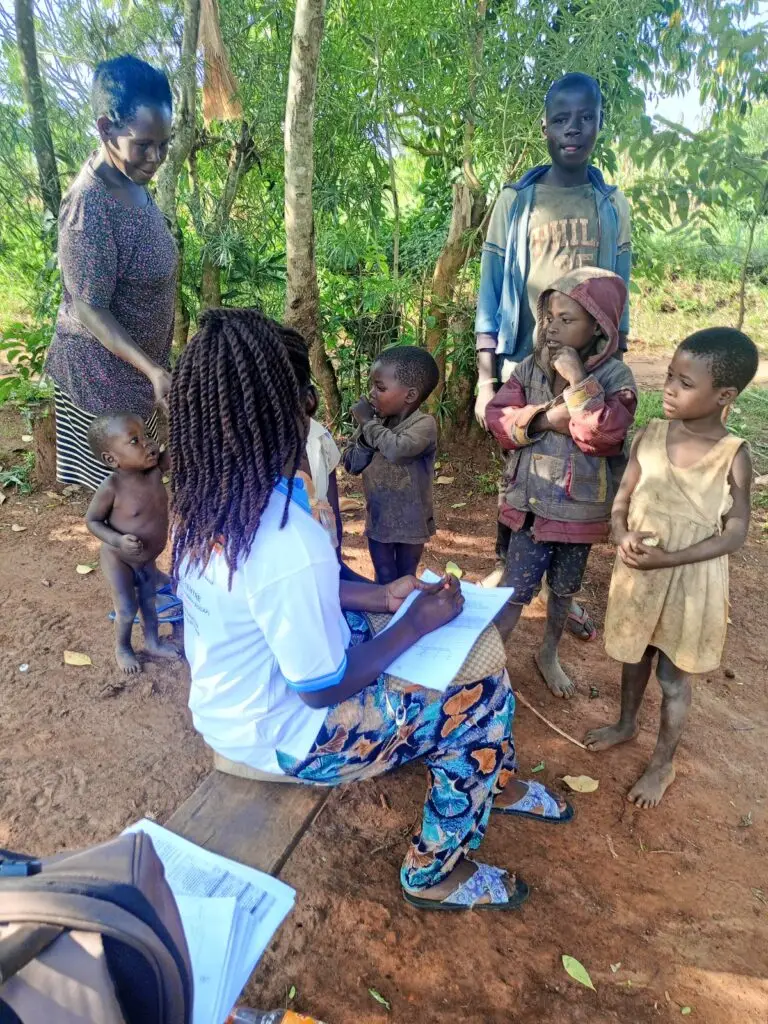
At ROCAF, you’ll see this integrated philosophy in action every day. From the Romic Medical Centre providing crucial health services alongside community-based health education, to vocational training programs that include literacy classes, every initiative is designed to contribute to a larger ecosystem of empowerment.
We believe that true development isn’t about quick fixes; it’s about nurturing an environment where individuals and communities can thrive on all fronts. This integrated approach is at the heart of everything we do, creating a more dignified, healthy, and prosperous future for marginalized populations across Uganda.